Tiny Robots Recharged
Atlicis TheGamerBay MobilePlay
Apraksts
Tiny Robots Recharged ir neliela mēroga, trīsdimensiju mīklu piedzīvojums, kas apvieno mobilās "escape-room" spēles pieejamību ar miniatūras diorāmas taustāmo šarmu. Zviedru studijas Snapbreak Games izstrādātā spēle sākotnēji tika izlaista operētājsistēmām iOS un Android 2020. gadā, un vēlāk tika portēta uz datoru caur Steam. Lai gan mobilajās ierīcēs to var lejupielādēt bez maksas (ar iespēju veikt pirkumus lietotnē, lai noņemtu reklāmas), spēle cenšas nodrošināt premium sajūtu, pateicoties meistarībai, nevis tikai ilgumam.
Priekšnoteikums ir vienkāršs un viegli saprotams: traks zinātnieks nolaupa mazu, kastes formas servisa robotu vienību, un viens vientuļš pavadonis dodas iebrukt ļaundara rūpnīcā, lai tos atbrīvotu. Nav dialogu vai teksta pārpilnības; stāsts atklājas vizuāli, izmantojot īsas starpspēles ainas un vides norādes, atstājot lielāko daļu narratīva spēlētāja interpretācijai. Šī vieglā stāstīšanas pieeja ļauj saglabāt fokusu uz mīklām, vienlaikus piešķirot jēgu katram līmenim.
Spēles gaita seko klasiskajai "point-and-click" tradīcijai. Katra stadija ir pašpietiekama, peldot telpā kā rotaļlietu komplekts, un spēlētāji var vilkt pirkstu vai peli, lai ap to orbītā, ieskatoties ventilācijas atverēs, atvilktnēs, slēdžos un kontaktligzdās. Progresēšana ir atkarīga no mazu interaktīvu karsto punktu atrašanas, detaļu savākšanas un to pareizā secībā ievietošanas mehānismos. Daudzas mīklas ietver pazīstamu mehānisku loģiku — zobratu griešanu, vadu savienošanu, lēcu kalibrēšanu — taču Snapbreak to uzlabo ar rotaļīgu robotiku: magnēti pārvieto metāla lodītes caur caurspīdīgām caurulēm, akumulatori darbina rotējošus torņus, un hidrauliskie pacēlāji atklāj slēptas ejas. Tā kā katra mijiedarbība vienmērīgi animējas un izraisa apmierinošus klunkšķus vai žirgstus, spēlētājs jūt, ka patiešām manipulē ar taustāmiem objektiem, ilūzija, kas kompensē spēles īso spēles laiku.
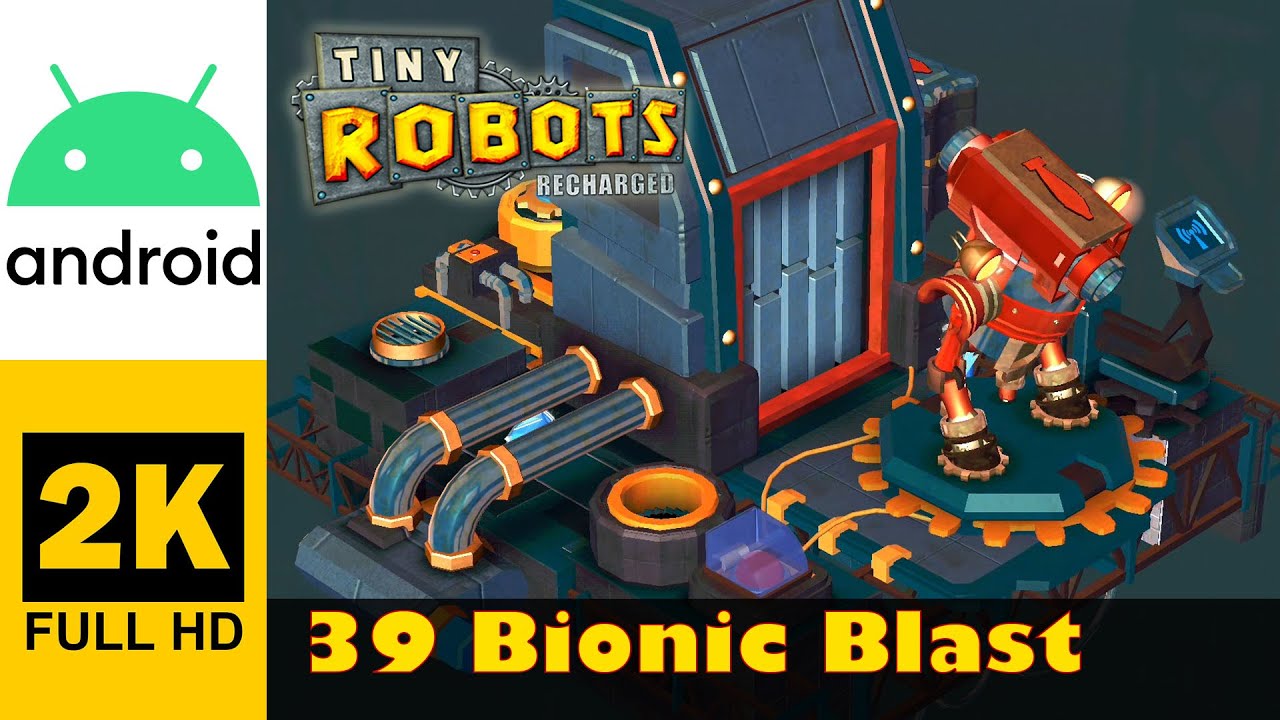
Vizuāli Tiny Robots Recharged izvēlas spilgtu, pasteļtoņos krāsotu zema poligonu mākslu, nevis netīru steampunk. Metāla virsmas ir tīras, skrūves un kniedes ir pārspīlētas, un mirdzošas neona sloksnes norāda uz futūrismu, neielažoties cyberpunk netīrumos. Līmeņi pāriet no āra metāllūžņu lauka uz konveijera lentes montāžas līnijām, saspiestām serveru telpām un beidzot ar zinātnieka augstsprieguma vadības kameru. Kamera nekad neatļauj pilnīgu brīvu pārvietošanos; tā vietā neliels paralakss, ko rada diorāmas rotēšana, aicina spēlētājus domāt par ainu kā par mīklu kastīti, kas ir pieeja, kas atgādina The Room sēriju vai Monument Valley, vienlaikus saglabājot savu personību.
Pieejamība ir galvenais dizaina pīlārs. Speciāla norāžu poga piedāvā pakāpeniskas norādes, kas vispirms virza spēlētāju uz atrašanās vietu un vēlāk, ja nepieciešams, atklāj risinājumu. Nav nekādas soda par norāžu izmantošanu, izņemot personīgo lepnumu, padarot spēli piemērotu jaunākām auditorijām vai ikdienišķiem mīklu faniem, kuri vēlas relaksējošu nodarbi, nevis sodītu izaicinājumu. Kontrolpunkti tiek saglabāti automātiski, un atsevišķas stadijas reti pārsniedz desmit minūtes, kas lieliski der mobilajām spēļu sesijām.
Monetizācija mobilajās ierīcēs notiek, izmantojot starpslāņu reklāmas, kas tiek rādītas pēc katra veiksmīgā līmeņa, un atlīdzības reklāmas papildu norādēm. Vienreizējs pirkums noņem visas reklāmas, saskaņojot to ar studijas iepriekšējiem nosaukumiem. Steam platformā spēle tiek izlaista kā vienreizējs pirkums bez mikropirkumiem, lai gan PC versija lielā mērā paliek identiska savam mobilajam analogam, tikai gūstot labumu no augstākas izšķirtspējas un peles vadības.
Kritiskā uztvere kopumā ir bijusi pozitīva, īpaši ņemot vērā tās bezmaksas piekļuvi. Recenzenti slavē izcilos vizuālos efektus, gudrās, bet ne pārmērīgi sarežģītās mīklas un rotaļīgo atmosfēru, kas liek neveiksmei justies vairāk kā rotaļīga eksperimentēšana nekā neapmierinātība. Izplatītākās kritikas ietver īsumu — pieredzējuši mīklu risinātāji var pabeigt aptuveni divās stundās — un reklāmu uzmācīgo dabu bezmaksas mobilajā versijā. Daži spēlētāji arī vēlētos lielāku mīklu daudzveidību, atzīmējot, ka liela atkarība no priekšmetu ievietošanas un zobratu savienošanas beigās var kļūt paredzama.
Tiny Robots Recharged ieņem interesantu nišu: tā nav nedz plašs narratīvs piedzīvojums, nedz hardcore prāta spēles, bet gan glīti iesaiņota interaktīva rotaļlieta, kas paredzēta izpētei vienā pēcpusdienā. Iesācējiem šajā žanrā tā piedāvā pievilcīgu vārtiņu. Pieredzējušiem mīklu entuziastiem tā kalpo kā patīkams garšas tīrītājs starp nopietnākiem izlaidumiem. Katrā ziņā spēle demonstrē Snapbreak nepārtraukto apņemšanos radīt kodam līdzīgus pasaules, kas šķiet roku darinātas, pieejamas un pietiekami rotaļīgas, lai liktu spēlētājiem — neatkarīgi no vecuma — iztēloties, kā būtu dzīvot starp īkšķa izmēra automātu sabiedrību.
Publicēts:
Oct 30, 2020