Tiny Robots: Portal Escape
Snapbreak Games (2024)
Description
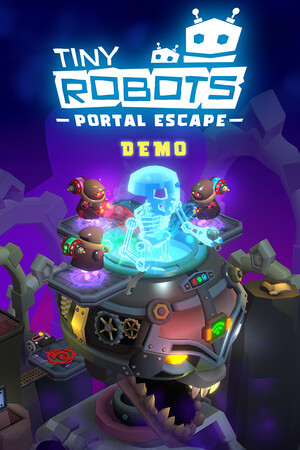
*Tiny Robots: Portal Escape*, released in 2024, stands as a vibrant and engaging addition to the mobile puzzle-adventure genre. Developed by Big Loop Studios and published by Snapbreak Games, the title serves as a direct successor to the studio’s earlier hit, *Tiny Robots Recharged*. While it retains the charming low-poly aesthetic and accessible gameplay of its predecessor, *Portal Escape* expands upon the formula with a more cohesive narrative, refined mechanics, and a richer variety of environments, solidifying Big Loop Studios' reputation for crafting polished, "escape the room" style experiences.
The narrative premise of the game is simple yet effective, designed to provide context for the player’s journey through the multiverse. Players assume the role of Telly, a small, intelligent robot who witnesses the kidnapping of his grandfather. The antagonists, depicted as "bad guys" associated with a nefarious mega-corporation, leave the grandfather’s garage in ruins. Telly discovers a radio that allows him to communicate with his grandfather, who offers guidance and hints from captivity. This setup drives the core objective: pursuing the captors through a series of inter-dimensional portals to rescue the protagonist’s creator. The story unfolds across various "vignettes"—self-contained 3D dioramas that represent different worlds and alternative realities.
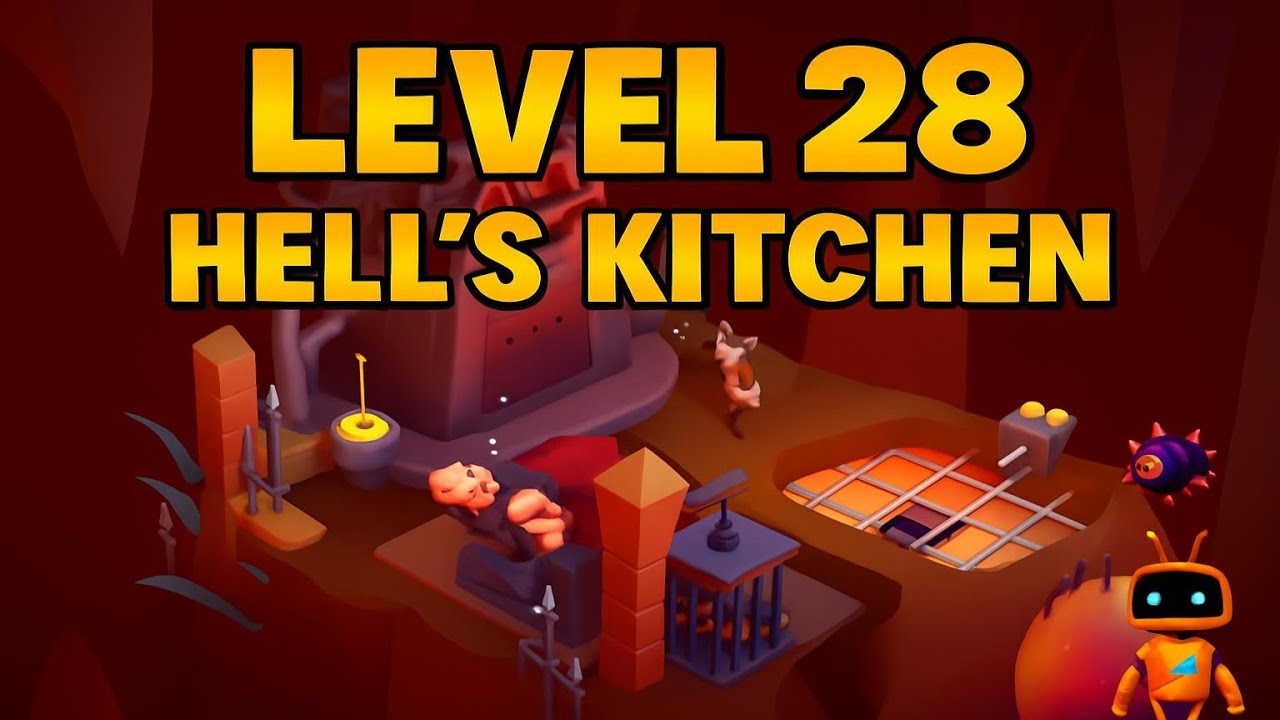
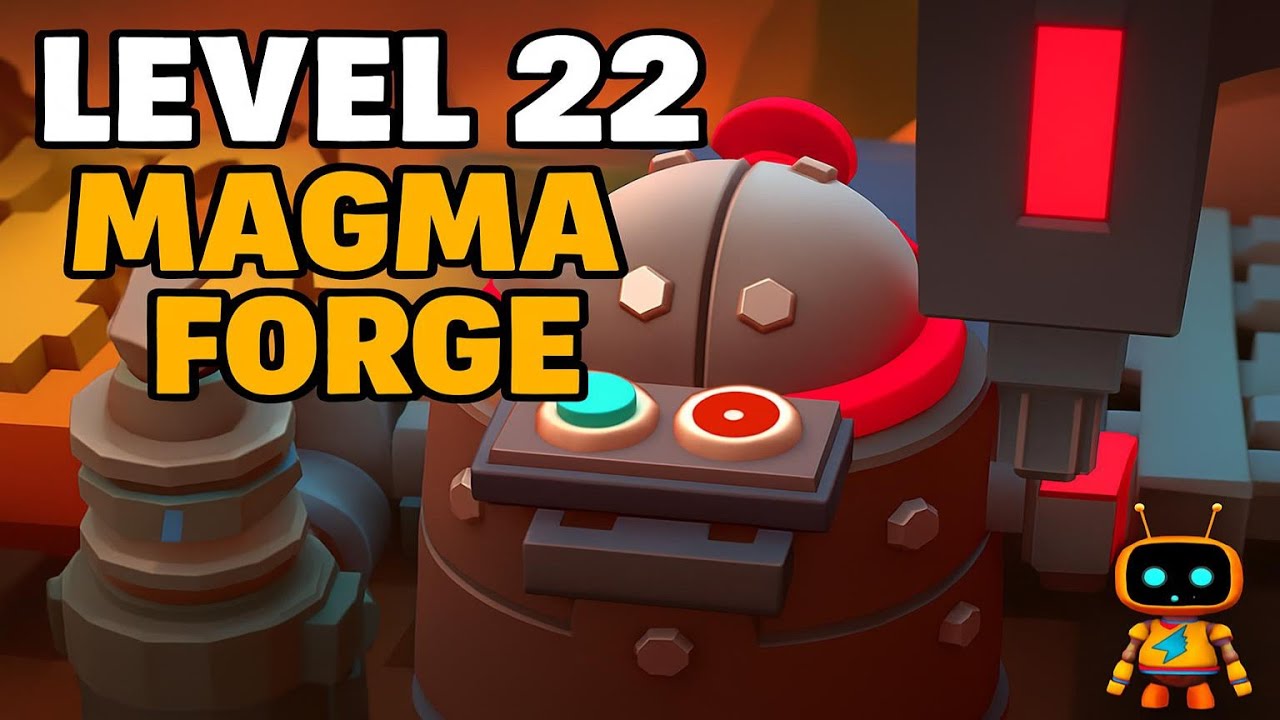
Gameplay in *Tiny Robots: Portal Escape* revolves around the exploration of these intricate, rotatable 3D environments. Unlike traditional point-and-click adventure games that might rely on static 2D screens, *Portal Escape* presents each level as a tactile, mechanical box or scene that the player can spin, zoom into, and manipulate. The primary goal in each level is to locate the exit portal, which is invariably locked behind a series of mechanical puzzles. Players must scour the environment for hidden objects, such as keys, gears, and batteries, and use them to interact with the machinery. The puzzles are generally logic-based, requiring the player to deduce how different components connect—for instance, finding a missing lever to operate a crane or deciphering a color-coded lock.
A significant structural component of the game is its inclusion of mini-games. While the main levels focus on inventory management and environmental interaction, unlocking the final exit often triggers a specific mini-game. There are several distinct types of these challenges, including spatial logic puzzles where players must slide blocks or navigate a character to a goal, and memory-based tasks. These mini-games are also accessible separately in an "Arcade" mode, allowing players to tackle them outside the constraints of the story campaign for additional rewards. This separation of core exploration and distinct logic puzzles adds variety to the gameplay loop, preventing the "pixel-hunting" aspect of the main levels from becoming monotonous.
Visually, the game distinguishes itself with a colorful, "cute" art style that appeals to a broad demographic. The environments are rendered in a stylized, low-poly 3D format that is both readable on smaller mobile screens and aesthetically pleasing. Each level, or "world," has a distinct theme—ranging from industrial factories to whimsical, nature-infused ruins—which keeps the visual experience fresh as the player progresses. The character design, particularly for Telly and the other unlockable robots, emphasizes charm and personality. The game includes a customization feature, allowing players to swap out robot parts (heads, bodies, treads) and change color schemes. While these changes are purely cosmetic and do not impact gameplay mechanics, they offer a layer of personalization that rewards progression and collection.
Monetization and progression follow a free-to-play model typical of the platform. The game utilizes an energy system and offers optional ads for hints or to double rewards, though player reception has often noted that the monetization is relatively non-intrusive compared to more aggressive competitors in the market. The developers addressed some criticisms of the previous title, *Tiny Robots Recharged*, specifically regarding timed levels. *Portal Escape* generally allows for a more relaxed pace, letting players solve puzzles without the pressure of a ticking clock, which aligns better with the meditative nature of the genre.
Critically, *Tiny Robots: Portal Escape* has been received as a polished evolution of the studio's previous work. It successfully balances casual accessibility with enough depth to satisfy puzzle enthusiasts. By combining the tactile satisfaction of manipulating 3D objects with a lighthearted sci-fi story and high production values, Big Loop Studios and Snapbreak Games have delivered a 2024 title that exemplifies the strengths of modern mobile puzzle games.