Snail Bob 2: Tiny Troubles
Playlist od TheGamerBay MobilePlay
Popis
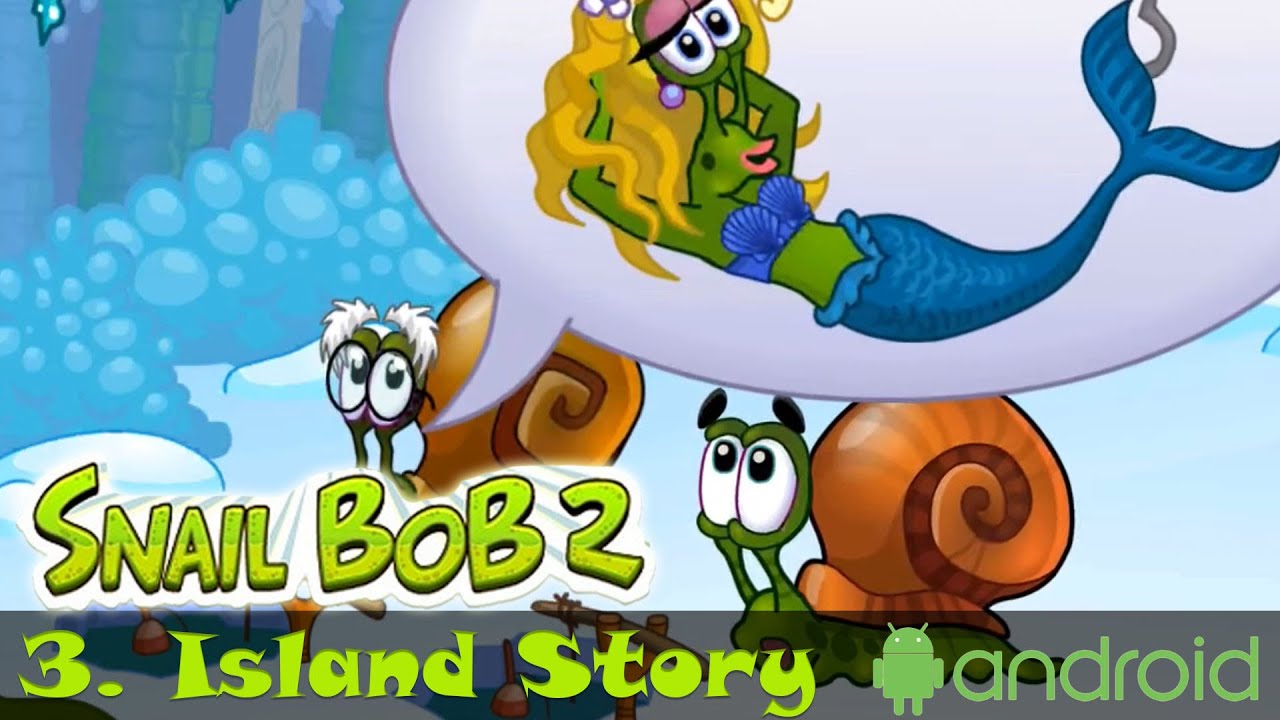
Snail Bob 2: Tiny Troubles je důkazem trvalé přitažlivosti jednoduchého, dobře provedeného herního designu. Jako vyleštěný nástupce oblíbené série fyzikálních logických her, hra mistrovsky kombinuje okouzlující estetiku s přístupnou, ale chytrou mechanikou. Její premisa je potěšitelně přímočará: titulní postava, Bob, je na misi dostat se na narozeninovou oslavu svého dědečka s dárkem v ruce. Tento jednoduchý příběh slouží jako dokonalý, nenápadný rámec pro to, co hra skutečně je – série složitých, jednooknových environmentálních hádanek, které zpochybňují logiku a načasování hráče spíše než jeho reflexy.
Základní herní smyčka je klamně pasivní. Hráč přímo nekontroluje Boba; ten se plouží automaticky, nevědom si nebezpečí, která mu stojí v cestě. Role hráče je role anděla strážného nebo benevolentního kulisáka, který interaguje s prostředím, aby mu vytvořil bezpečnou cestu. Toho je dosaženo jednoduchým rozhraním typu "point-and-click". Kliknutí může aktivovat ventilátor, který Boba odfoukne přes propast, zatáhne sadu hrotů nebo spustí laser k odstranění překážky. Genialita tohoto designu spočívá v tom, že přesouvá zaměření z ovládání postavy na zvládnutí prostředí. Hráč musí prozkoumat celou úroveň, pochopit, jak spolu jednotlivá tlačítka, páky a zařízení interagují, a poté provést svůj plán ve správné sekvenci. Hráči jsou dány dva klíčové nástroje pro správu samotného Boba: schopnost ho zastavit a zatáhnout do jeho krunýře kliknutím a tlačítko pro zdvojnásobení jeho rychlosti. Tyto jednoduché příkazy jsou klíčem k řešení mnoha časově náročných hádanek hry, které nutí hráče Boba zastavit těsně před kyvadlovou čepelí nebo ho zrychlit, aby přešel přes rozpadající se most.
Návrh úrovní v Snail Bob 2 je ukázkou plynulé progrese obtížnosti. Rané fáze slouží jako intuitivní tutoriály, které postupně zavádějí jednu nebo dvě nové mechaniky, jako jsou antigravitační tlačítka nebo magnety. Jak hra postupuje, tyto prvky jsou kombinovány stále složitějšími způsoby, vyžadujícími vícekroková řešení a přesné načasování. Aby se přidala vrstva hloubky a znovuhratelnosti nad rámec pouhého dosažení výstupní trubky, každá úroveň obsahuje tři skryté hvězdičky. Nalezení těchto hvězdiček často vyžaduje experimentování a bystré oko, což hráče povzbuzuje k klikání na zdánlivě nevinné prvky pozadí nebo k řešení hádanky neobvyklým způsobem. Tento sekundární cíl transformuje hru z lineární cesty na malou, prozkoumatelnou diorámu, která odměňuje zvědavost a důkladnost.
Co skutečně spojuje zážitek, je jeho rozmarná prezentace. Umělecký styl je živý a kreslený, s expresivními postavami a světem, který působí hravě i vynalézavě. Bob je sám o sobě roztomilý protagonista a různá stvoření a nebezpečí, se kterými se setkává, od škodolibých much po nápomocné mravence, přispívají k odlehčenému tónu hry. Zvukový design to dokonale doplňuje, s veselým, opakujícím se soundtrackem a uspokojivými klikáními, bzučeními a odskoky, které poskytují jasnou zvukovou zpětnou vazbu pro každou akci hráče. Tato kombinace vizuálů a zvuku vytváří atmosféru bez stresu, kde neúspěch je pouhou příležitostí přehodnotit řešení, nikoli zdrojem frustrace. V podstatě, Snail Bob 2: Tiny Troubles je jemně zpracovaná logická hra, která respektuje své publikum a nabízí mírnou výzvu zabalenou do neodolatelně okouzlujícího balení. Je to dokonalý příklad hry, kterou se snadno naučíte, ale která nabízí překvapivou hloubku, což z ní činí nadčasovou klasiku pro hráče všech věkových kategorií.
Zveřejněno:
May 01, 2019