VII. ՍՏՐՈՄԳԱՐԴԻ ԸՆԿՆԵԼԸ | Warcraft II: Tides of Darkness | Լուծում, Խաղացանկ, Առանց Մեկնաբանությո...
Warcraft II: Tides of Darkness
Նկարագրություն
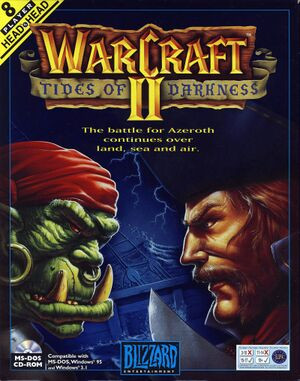
Warcraft II: Tides of Darkness, released in 1995, is a cornerstone of the real-time strategy genre. It expanded upon its predecessor by introducing a richer narrative and more complex gameplay, set in the northern continent of Lordaeron during the Second War. The game pits the Alliance of Lordaeron, a coalition of humans, elves, gnomes, and dwarves, against the aggressive Orcish Horde, which includes trolls, ogres, and goblins. Mechanically, it refined the resource-gathering loop with the addition of oil, leading to the development of naval combat, a key feature distinguishing it from other games. Both factions boast unique, yet balanced, units, from human Paladins and Mages to Orcish Ogre Mages and Death Knights. Air units, such as Gryphon Riders and Dragons, added another strategic dimension. With its vibrant SVGA graphics, memorable unit voices, and engaging soundtrack, Warcraft II set new standards for presentation and gameplay, becoming a critical and commercial success that cemented Blizzard Entertainment's reputation.
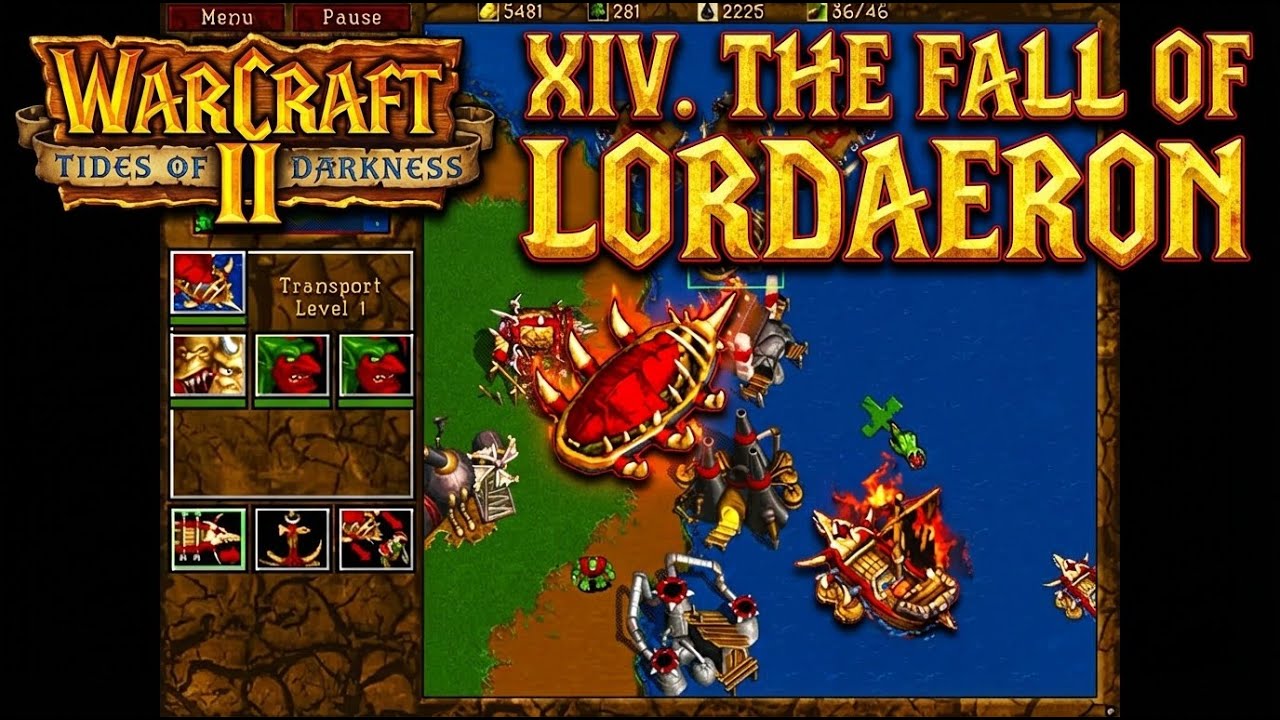
"The Fall of Stromgarde" marks the seventh mission in the Orc Campaign of Warcraft II: Tides of Darkness, serving as the dramatic conclusion to Act II: Khaz Modan. This mission thrusts players into a critical juncture of the Second War, where the Orcish Horde, under Warchief Orgrim Doomhammer, seeks to consolidate its power by eliminating the last significant human stronghold in the region. The mission begins with a precarious situation: the Orcish invasion force, having secured the Khaz Modan refineries for vital oil resources, finds its transport ships captured by the Alliance fleet just south of Stromgarde.
The player is presented with a dual challenge. Firstly, they must immediately engage the Alliance naval forces to reclaim the stranded transport ships, utilizing their starting naval units. This initial naval skirmish is crucial for regaining mobility. Once the waters are secured, the objective shifts to a classic RTS loop: establishing a base on a suitable landing zone, building an economy, and systematically dismantling Stromgarde. The island-heavy map design necessitates amphibious assaults, and controlling the seas becomes paramount to protect oil platforms and disrupt Alliance naval movements. The mission emphasizes the importance of naval power, forcing players to invest in shipyards and refineries to field battleships and destroyers for coastal bombardment. On land, the heavily fortified Stromgarde requires siege units like Catapults to breach defenses, supported by powerful melee units to overwhelm human knights and footmen. The narrative impact of "The Fall of Stromgarde" is substantial; in the context of the game, this victory effectively severs the southern human kingdoms from their northern allies, paving the way for the Horde's march towards Lordaeron and Quel'Thalas. This mission stands as a testament to the game's blend of challenging starts, strategic depth in naval and land combat, and its impactful role in advancing the Orcish campaign narrative.
More - Warcraft II: Tides of Darkness: https://bit.ly/4pLL9bF
Wiki: https://bit.ly/4rDytWd
#WarcraftII #TidesOfDarkness #TheGamerBay #TheGamerBayLetsPlay
Հրապարակված:
Dec 14, 2025