III. Southshore | Warcraft II: Tides of Darkness | ວິດີໂອການຫຼິ້ນ, gameplay, ບໍ່ມີຄຳອະທິບາຍ, 4K
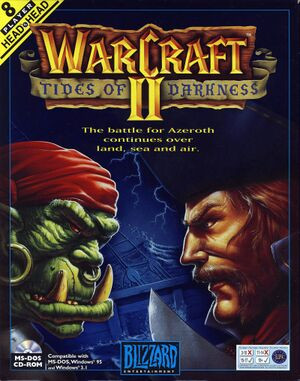
Warcraft II: Tides of Darkness
ລາຍລະອຽດ
Warcraft II: Tides of Darkness, launched in 1995, is a landmark real-time strategy game that truly elevated the genre. It built upon its predecessor by refining resource management and tactical warfare, moving the conflict to the northern continent of Lordaeron and introducing a richer narrative with two distinct factions: the Alliance and the Horde. The game challenged players to gather gold, lumber, and the new crucial resource, oil, leading to the introduction of naval combat. This added a significant layer to strategy, requiring players to manage distinct land and sea fleets for amphibious assaults and maritime dominance. The unit roster offered balanced yet flavorful asymmetry, with both factions possessing unique high-tier units and introducing air units that added verticality to battles. Technologically, it boasted impressive SVGA graphics and a memorable sound design, contributing to its widespread acclaim and commercial success.
Within this grand narrative, "III. Southshore" stands as a pivotal mission in Warcraft II: Tides of Darkness. It serves as the definitive introduction to the game's naval warfare mechanics, marking a significant shift from earlier land-based engagements. In this mission, players are compelled to master the management of oil, the third essential resource, and begin constructing their first fleets, fundamentally altering the strategic approach to the Second War. The coastal region of Southshore, a vital Alliance port in the lore, becomes the focal point for this escalating naval arms race.
For the Orcish Horde, "III. Southshore" is an offensive endeavor. The mission briefing tasks players with preparing for a final assault on Hillsbrad, which necessitates naval superiority. Aided by Zul’jin and his Forest Trolls, the Horde gains access to crucial units like Axethrowers and the formidable Troll Destroyers. The player’s objective is to establish a coastal base, construct a Shipyard and four Oil Platforms, and secure the oil needed to fuel their burgeoning armada. This emphasizes the Horde's expansionist drive and their relentless pursuit of resources to fuel their war machine.
Conversely, the Human Alliance faces "III. Southshore" as a defensive and diplomatic challenge. The mission sees the Council of Silvermoon pledge support, bolstering the Alliance forces with Elven Archers and Elven Destroyers. Under the command of Grand Admiral Daelin Proudmoore, players are tasked with constructing naval facilities to accommodate this new Elven fleet and prepare for a potential Orcish base in the vicinity. Similar to the Orcs, the Alliance player must build a Shipyard and four Oil Platforms, highlighting the theme of unity between Humans and High Elves against the Orcish threat.
Mechanically, "III. Southshore" acts as an essential tutorial for the game's naval economy. The map design often forces players to venture into the water to secure resources. The introduction of oil, alongside gold and lumber, adds a new dimension to resource management. Players learn to build Oil Platforms on specific water patches and utilize Oil Tankers to transport the resource, mirroring the land-based resource gathering. Combat often revolves around the newly introduced Destroyers, teaching players the importance of naval positioning and focused fire. Ultimately, "III. Southshore" signifies the broadening scope of the Second War, transforming the battlefield from land to sea and cementing Southshore's importance as the birthplace of the player's naval capabilities.
More - Warcraft II: Tides of Darkness: https://bit.ly/4pLL9bF
Wiki: https://bit.ly/4rDytWd
#WarcraftII #TidesOfDarkness #TheGamerBay #TheGamerBayLetsPlay
ເຜີຍແຜ່:
Dec 09, 2025