XIV. THE FALL OF LORDAERON | Warcraft II: Tides of Darkness | Walkthrough, Gameplay, No Commentary
Warcraft II: Tides of Darkness
Description
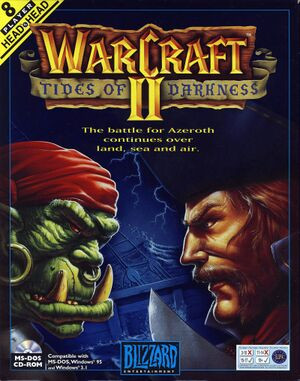
*Warcraft II: Tides of Darkness*, released in 1995, was a landmark real-time strategy game that significantly advanced the genre. It refined resource management and tactical warfare, setting a high standard for future titles. The game expanded upon its predecessor by shifting the conflict to the northern continent of Lordaeron, introducing a richer narrative and deeper strategic gameplay that solidified Blizzard Entertainment's reputation. The story of *Tides of Darkness* centers on the Second War, an escalating conflict. After the destruction of Stormwind, human survivors united with high elves, gnomes, and dwarves to form the Alliance of Lordaeron. They faced the formidable Orcish Horde, now bolstered by trolls, ogres, and goblins. This expanded lore established the enduring rivalry between the Alliance and the Horde.
Mechanically, the game followed the "gather, build, destroy" loop but introduced significant enhancements. Players managed gold, lumber, and oil, with oil enabling the crucial addition of naval combat, featuring battleships, destroyers, and submarines. This also allowed for complex amphibious assaults. The unit roster offered balanced yet distinct factions. While basic units mirrored each other, higher-tier units like Alliance Paladins and Mages, or Horde Ogre Mages and Death Knights, introduced strategic divergences. The inclusion of air units like Gryphon Riders and Dragons added a vertical dimension to combat.
Technologically, *Warcraft II* boasted high-resolution SVGA graphics and a vibrant art style. Varied terrain and the introduction of the "fog of war" mechanic encouraged constant scouting. The sound design was equally impressive, with memorable unit voice lines and an epic orchestral soundtrack. The expansion pack, *Warcraft II: Beyond the Dark Portal*, and the later *Battle.net Edition* further enhanced the game, adding hero units and integrating online multiplayer, which laid the groundwork for future esports. Critically, *Warcraft II* was a massive success, praised for making RTS games accessible without sacrificing strategic depth, and its refined interface made it a joy to play.
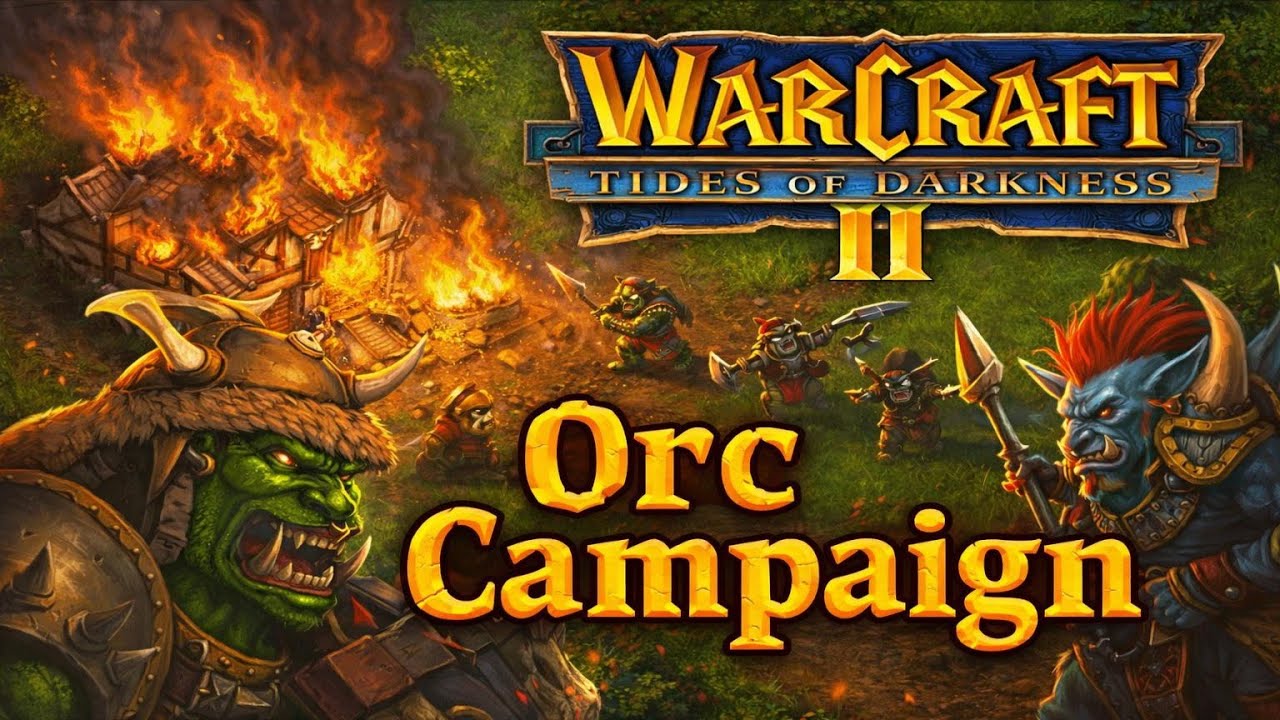
Within this acclaimed game, "XIV. The Fall of Lordaeron" stands as the climactic mission of the Orc campaign. This scenario represents the Orcish Horde's ultimate victory in the Second War, offering a dark, alternate history ending. The mission tasks the player with leading the Horde's forces in a final, devastating assault on the human capital city. Having already conquered elven lands and Dalaran, the Orcs are poised for total domination. The briefing emphasizes the imminent destruction of Lordaeron, urging the player to "Destroy all that you behold in the name of the Horde!"
Gameplay-wise, "The Fall of Lordaeron" is a test of macro-management and strategic prowess. Players must manage divided forces, establish a strong foothold, and leverage the map's abundant resources to produce the Horde's most powerful units, particularly the Dragons, which are essential for breaching the Alliance's heavily fortified defenses. The enemy AI is aggressive, launching counter-attacks and aerial assaults, requiring a delicate balance of offense and defense.
Narratively, this mission allows players to experience a scenario where the Orcs achieve complete conquest. The ending cinematic depicts a ruined Lordaeron consumed by fire. Orgrim Doomhammer, the Warchief, promotes the player to Warlord, signifying their crucial role in the victory. The surviving humans are shown to be annihilated, marking the absolute end of the Alliance of Lordaeron. This grim triumph solidifies the Horde's dominion over Azeroth, providing a starkly different conclusion to the human campaign and showcasing the game's nuanced storytelling.
More - Warcraft II: Tides of Darkness: https://bit.ly/4pLL9bF
Wiki: https://bit.ly/4rDytWd
#WarcraftII #TidesOfDarkness #TheGamerBay #TheGamerBayLetsPlay
Published:
Dec 31, 2025