Kirby's Epic Yarn
ລາຍການເພງໂດຍ TheGamerBay LetsPlay
ລາຍລະອຽດ
Kirby's Epic Yarn ຖື{} =".$S="X" is one of the most charming and inventive entries in the long-running Nintendo franchise, a game that succeeded by fundamentally altering the core mechanics its hero was known for. Developed by Good-Feel and released for the Wii in 2010, the game chose to trade Kirby's signature inhale and copy abilities for a completely new, textile-based world and moveset. The result was not just a fresh coat of paint, but a reinvention that emphasized pure, unadulterated joy and creativity over traditional platforming challenge.
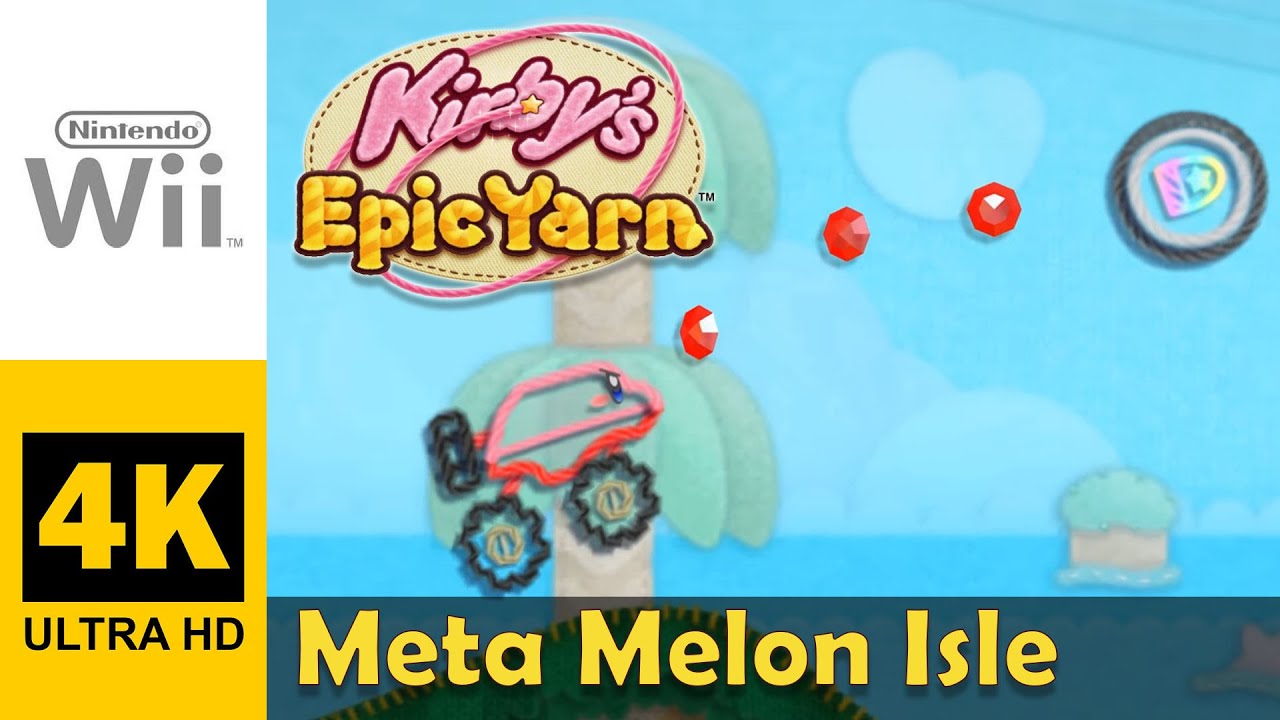
The most immediately striking feature of the game is its breathtaking art style. The entire world, from Kirby himself to the enemies and landscapes, is constructed from yarn, fabric, felt, and other craft materials. Kirby is no longer a pink puffball but a simple outline of yarn, a design that cleverly justifies his new abilities. Backgrounds look like quilted patchworks, buttons serve as anchors to swing from, and zippers can be pulled down to reveal new areas or alter the stage itself. This aesthetic is not merely decorative; it is deeply integrated into the gameplay, creating a world that feels tangible and interactive in a way few 2D platformers ever achieve. The player feels less like they are controlling a character on a screen and more like they are playing with a living diorama.
This thematic overhaul necessitated a complete gameplay redesign. Without the ability to inhale, Kirby instead uses a yarn whip. This versatile tool can be used to unravel enemies, rolling them up into a ball of yarn that can then be thrown at other foes or obstacles. The whip also allows Kirby to interact directly with the fabric of the world, pulling on loose threads to reveal secrets or snagging buttons to swing across gaps. Furthermore, the game introduces a series of delightful transformations. Instead of copying enemy powers, Kirby morphs into different yarn-based vehicles to navigate specific sections. He can become a zippy car, a lumbering tank, a graceful dolphin, or a UFO that can abduct enemies, among others. These segments break up the standard platforming with varied and consistently imaginative gameplay moments.
One of the game's defining design philosophies is its accessibility. Kirby's Epic Yarn removes the concept of lives or a traditional health bar. Falling into a pit or taking damage from an enemy doesn't result in death; instead, Kirby simply loses some of the collectible beads he has gathered throughout the level. This design choice fundamentally reframes the experience from a test of survival to a joyful exploration. The goal becomes not just to finish the stage, but to do so with finesse, collecting as many beads as possible and discovering all the hidden treasures. This low-stress approach makes the game welcoming to players of all skill levels and is perfectly complemented by a two-player cooperative mode, where a second player can join in as the blue-hued Prince Fluff.
The experience is tied together by a gentle and whimsical soundtrack, dominated by soothing piano melodies and light-hearted orchestrations that perfectly match the game's cozy, handcrafted feel. Every element, from the sound effects of Kirby zipping up a seam to the soft tunes that accompany his adventures, works in concert to create a serene and heartwarming atmosphere. While some critics noted its lack of difficulty, most celebrated Kirby's Epic Yarn for what it was: a masterclass in charm and a bold testament to the idea that a game doesn't need to be punishing to be profoundly engaging and memorable. It remains a standout title that proved the Kirby series could unravel its own formula and stitch together something entirely new, yet unmistakably Kirby in its spirit of pure fun.
ເຜີຍແຜ່:
Aug 10, 2023