Human: Fall Flat
Atlicis TheGamerBay LetsPlay
Apraksts
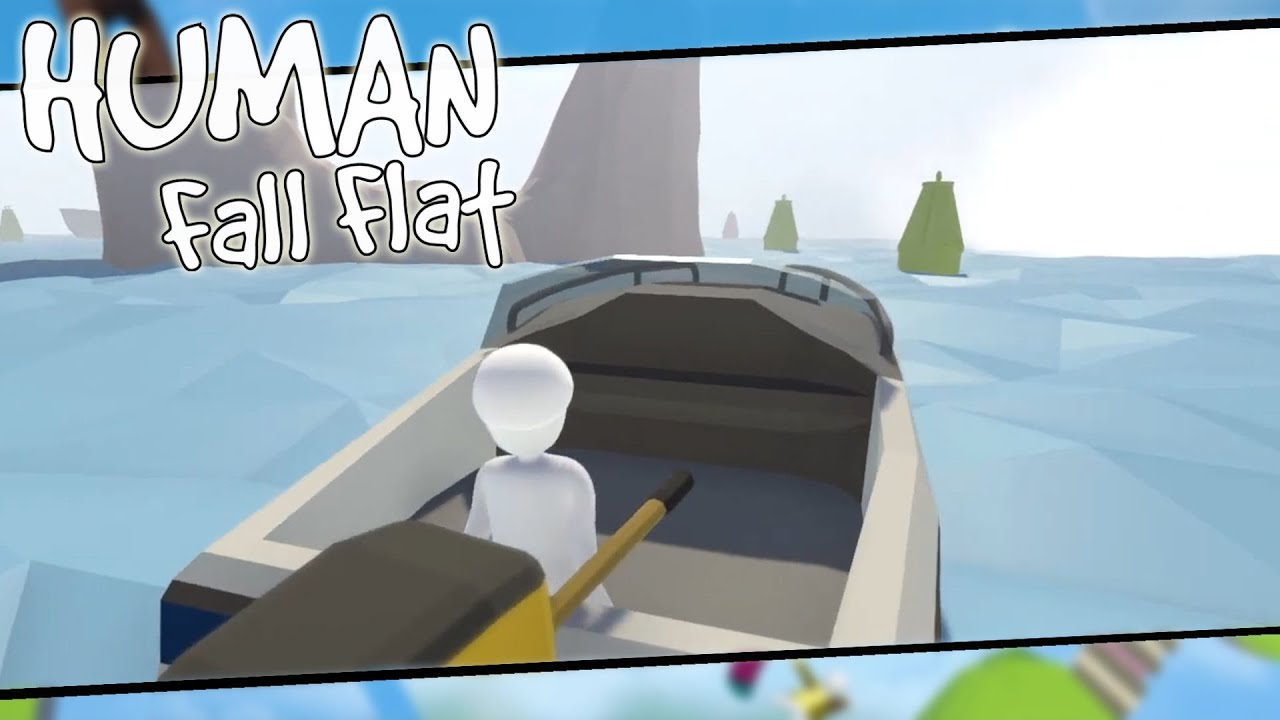
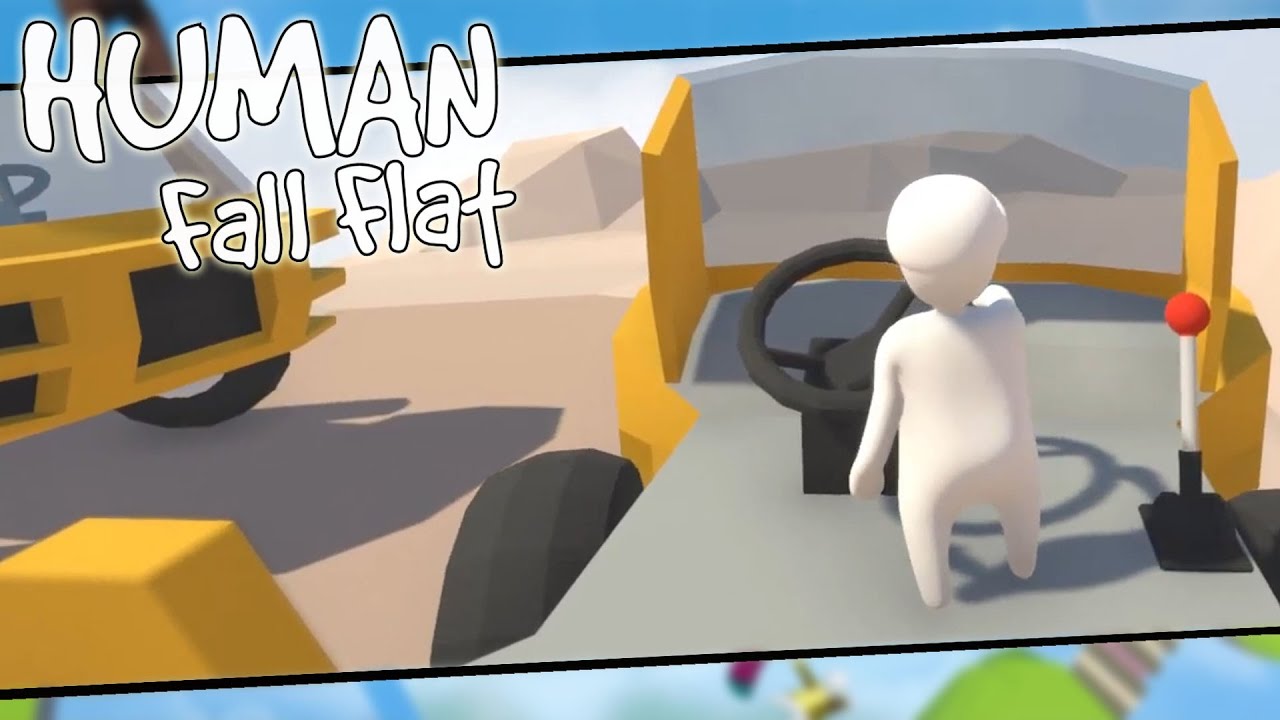
Human: Fall Flat ir burvīgs un bieži vien jautrs izņēmums puzzle platformeru pasaulē. Tā apzināti izvairās no precizitātes un stingras vadības, kas parasti raksturo žanru, tā vietā balstot visu pieredzi uz apzināti neveiklu, uz fizikas principiem balstītu sistēmu. Spēlē spēlētāji kontrolē Bobu, bezsejas, mīkstu humanoidu tēlu, kas kustas ar tādu pašu grāciju kā miegā esošs cilvēks. Galvenā mehānika ietver Boba svārstīgā ķermeņa un, kas ir svarīgi, viņa divu neatkarīgu, lipīgu roku vadīšanu. Šī vadības shēma vairāk atgādina leļļu pavadoņa cīņu ar samezglotiem pavedieniem nekā tiešu tēla vadīšanu. Vienkārši uzdevumi, piemēram, kastītes pacelšana, sviras vilkšana vai uzkāpšana uz dzegas, kļūst par milzīgiem, komēdiskām problēmām. Cīņa nav dizaina trūkums; tā ir visa būtība.
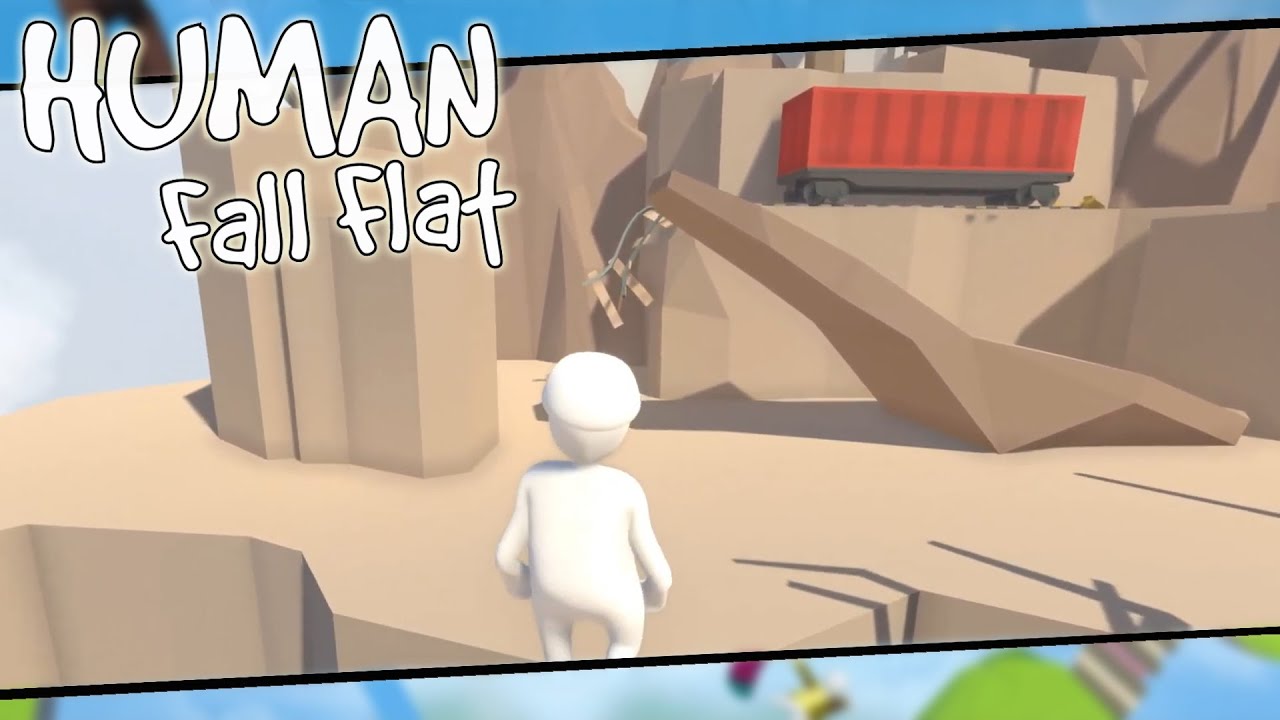
Spēles līmeņi ir izkārtoti kā sirreāli, peldoši sapņu ainavas, katra ir pašpietiekama smilšu kaste, kas piepildīta ar vides mīklām. Mērķi parasti ir vienkārši, uzdodot spēlētājam vienkārši atrast izeju, lai pārietu uz nākamo sapni. Tomēr ceļš uz šo izeju ir atklāts jautājums. Atšķirībā no daudzām puzzle spēlēm, kurām ir viens, elegants risinājums, Human: Fall Flat mudina uz eksperimentēšanu un spēka pielietošanu. Aizām varētu pāriet, rūpīgi būvējot tiltu, neapdomīgi palaižot sevi ar katapultu vai nedroši šūpojoties uz virves. Nav vienīgā pareizā veida, kā atrisināt mīklu, un bieži vien visabsurdākais, fizikai pretējs risinājums ir tas, kas darbojas. Šī brīvība pārvērš katru šķērsli par radošas problēmu risināšanas un neizbēgamas, slapstick neveiksmes spēļlaukumu.
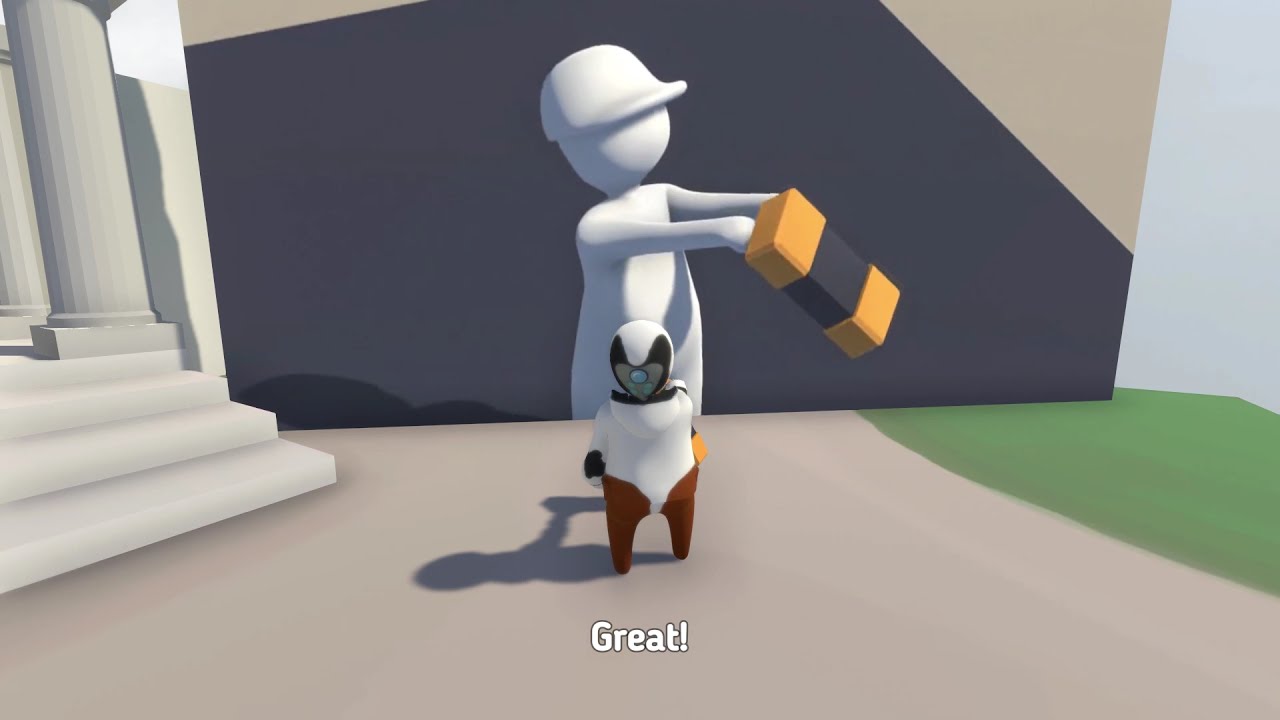
Lai gan spēle ir lieliski baudāma solo pieredze, tā patiesi atdzīvojas tās vairāku spēlētāju režīmā. Kad līmenī tiek ieviesti vairāki svārstīgi Bobi, spēle pārvēršas no kontemplatīvas puzzle spēles par haotisku kooperatīvu komēdiju. Kopīgo mērķi sasniegt beigas pastāvīgi kavē un uzlabo spēlētāju nespēja koordinēt savus neveiklos ķermeņus. Mēģinājums kopā pārnest garu dēli kļūst par neapmierinošu nepareizas komunikācijas deju. Viens spēlētājs var mēģināt vadīt celtni, kamēr otrs bezpalīdzīgi karājas no tās āķa. Iespēja satvert citus spēlētājus noved pie gan noderīgiem manevriem, piemēram, veidojot cilvēku ķēdi, lai uzkāptu pa sienu, gan tiešas sabotāžas, kad viens spēlētājs priecīgi met otru no klints. Humors Human: Fall Flat nerodas no skriptotām jokiem, bet gan no šiem emergentajiem tīra, neapstrādāta haosa brīžiem, kas dzimuši no spēles fizikas dzinēja.
Vizuāli spēle pieņem minimālistisku, zemo poligonu estētiku, kas papildina tās vienkāršo priekšstatu. Vides ir tīras un nekārtīgas, nodrošinot, ka mīklu elementi vienmēr ir skaidri, savukārt Boba tukšā audekla dizains kalpo kā ideāls audekls spēlētāju pielāgošanai. Šis vienkāršojums ir ļāvis spēlei arī laimīgi novecot un palikt pieejamai. Tās ilgmūžību vēl vairāk pastiprina nepārtraukta jaunu līmeņu plūsma no izstrādātājiem un plaukstoša kopienas darbnīca, kas nodrošina gandrīz nebeidzamu lietotāju radīta satura krājumu. Galu galā Human: Fall Flat pastāvīgā pievilcība slēpjas tās nepilnību svinēšanā. Tā ir spēle, kurā prieks tiek atrasts nevis perfektā izpildē, bet gan jautrajā cīņā, kopīgajā smieklā par neizdevušos plānu un triumfējošajā sajūtā, beidzot, neveikli, pa pabeigšanas līniju.
Publicēts:
May 15, 2021