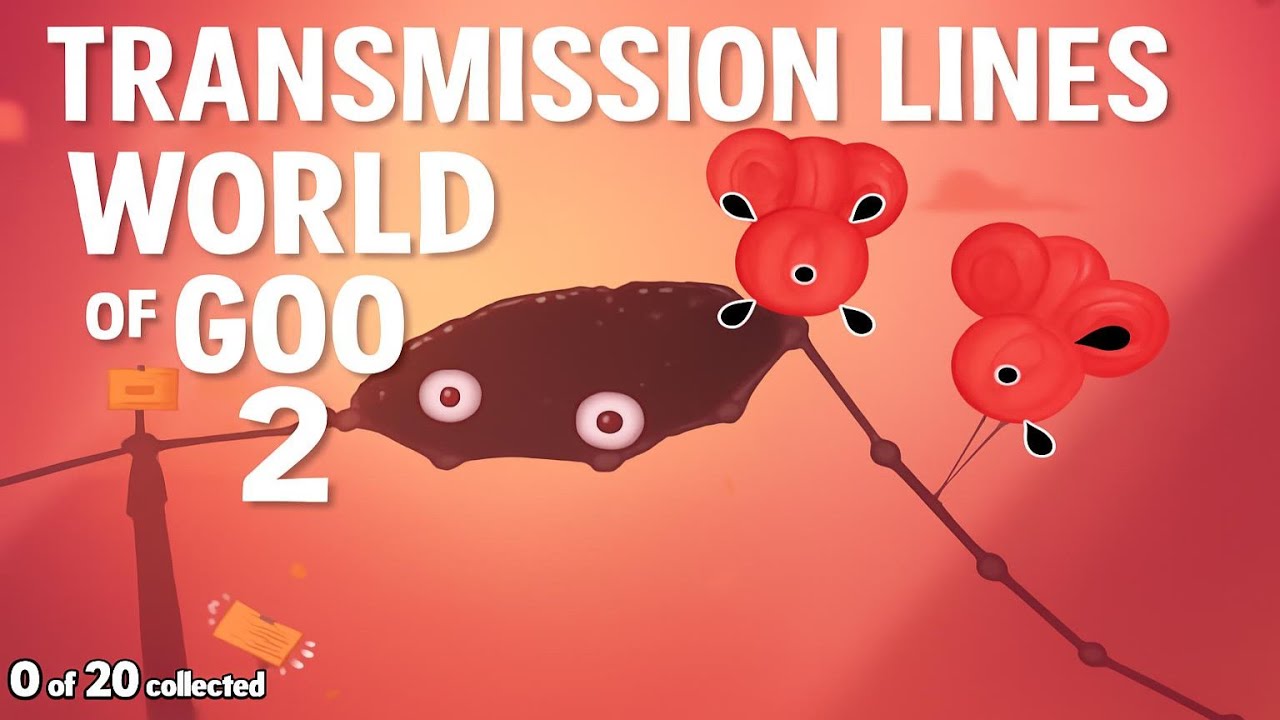
World of Goo 2
By TheGamerBay LetsPlay
Açıklama
World of Goo 2008'de piyasaya sürüldüğünde, canlı goo toplarını birbirine yapıştırarak derme çatma yapılar inşa etme fikrini zeka, melankoli ve masalsı bir çekicilikle harmanlayarak kalıcı bir üne kavuştu. Yıllar boyunca iki kişilik küçük stüdyo 2D Boy (Kyle Gabler ve Ron Carmel), devam oyunuyla ilgili soruları, ancak bunu haklı çıkaracak kadar büyük fikirler bulurlarsa bir devam oyununun gerçekleşeceği cevabıyla geçiştirdi. 7 Aralık 2023'te The Game Awards sırasında bu şartın yerine geldiği anlaşıldı: World of Goo 2, kısa, nazikçe kaotik bir fragman ve 2024'te Nintendo Switch ve PC'de (başlangıçta Epic Games Store aracılığıyla, diğer mağazalar ima edilmiş ancak doğrulanmamış) yayınlanma vaadiyle duyuruldu.
Geliştirme, Gabler, Carmel ve uzun süredir birlikte çalıştıkları meslektaşları Allan Blomquist'in bir araya geldiği Tomorrow Corporation tarafından yürütülüyor. Bu ekip daha önce Little Inferno ve Human Resource Machine'in yapımında da yer almıştı. Oyun, orijinalinin eskiyen yapısı yerine kendi geliştirdikleri özel bir motor üzerinde yeniden inşa edildi. Bu sayede daha yüksek çözünürlüklü sanat eserleri, akıcı simülasyonlar ve daha karmaşık fizik efektleri elde edilirken, World of Goo'yu eşsiz kılan 2 boyutlu kukla tiyatrosu görünümü de korundu. Stüdyo, goo toplarının hayranlarının ilişkilendirdiği o ince sıkışma, gerilme ve üzgün göz kırpma efektlerini korumak için animasyonların neredeyse tamamının prosedürel olarak değil, elle çizildiğini vurguladı.
Sadece birkaç dakikalık görüntü gösterilmiş olsa da, bazı tasarım değişiklikleri belirgin. Kamera sekansları, tek bir sahneye odaklanmak yerine geniş, çoklu ekran seviyelerinde kayıyor; bu da hızlı kuleler ve köprüler yerine uzun vadeli mühendislik üzerine kurulu bulmacaları düşündürüyor. Yeni goo türleri görülüyor; biri kristalimsi görünüyor ve katı eklemlere işaret ediyor; diğeri ise aşırı zorlandığında parçalara ayrılıyor gibi duruyor, bu da basitçe ayrılmak yerine feci şekilde başarısız olabilen kaynakları ima ediyor. Çevresel tehlikeler, tanıdık testere bıçakları ve ateş çukurlarının ötesine geçiyor; esen rüzgarlar ve akan sular, dengelenmesi gereken sürekli kuvvetler uyguluyor gibi görünüyor. Kullanıcı arayüzü, iki kontrolcü için eşzamanlı giriş komutlarını vurguluyor ve ilk oyunun Wii versiyonundaki gibi daha sonra açılan isteğe bağlı bir özellik yerine başlangıçtan itibaren yerel işbirliği modunu onaylıyor.
Anlatımsal detaylar kasıtlı olarak muğlak bırakılıyor. İlk fragman, ilk oyundan kalan tamamlanmış goo kulelerinin kabuklarıyla dolu ıssız bir inşaat alanını gösteriyor, üzerlerindeki tabelalarda “World of Goo Corporation Geri Alındı” yazıyor. Bu, devam oyununun, goo'ların uzaya fırlamasıyla sonuçlanan öncülünün sonunu kanonik ama tam olarak muzaffer olmayan bir olay olarak ele aldığını ve gezegeni endüstriyel bir yıkım içinde bıraktığını ima ediyor. Stüdyo, metin tabanlı anlatımın, alaycı Tabela Ressamı tarafından yazılan silüetli tabelalar aracılığıyla ortaya çıkmaya devam edeceğini, ancak kapsamın küçük animasyonlu ara sahnelerle genişleyebileceğini söylüyor.
Yapısal olarak, Tomorrow Corporation, izole seviye menülerinden oyuncunun goo yapılarını hareket ettirerek fiziksel olarak gezindiği, neredeyse fizik tabanlı bir metroidvania gibi bitişik bir dünya haritasına doğru bir ayrılışı ima etti. Böyle bir düzen, kalıcı yapılar sağlar: bir oturumda bir köprü inşa edin ve daha sonra onu hala ayakta bulmak için geri dönün - veya ihmal edilirse çökmüş olarak. Bu kalıcılık, küresel liderlik tablolarının yalnızca kurtarılan goo sayısı istatistiklerini değil, aynı zamanda oyuncuların hayatta kalan megayapılarının ekran görüntülerini de görüntüleyebileceği çevrimiçi bir bileşenle uyumlu hale geliyor, bu da mimari ihtişam gösterilerini teşvik ediyor.
Erişilebilirlik ve modern donanım düşünceleri de odak noktasında. Switch el modu için ve daha sonra mobil bağlantı noktaları ortaya çıkarsa tabletler için dokunmatik kontroller vaat ediliyor. PC sürümü yüksek yenileme hızlarını ve ultra geniş monitörleri destekliyor ve motorun deterministik fiziği, asenkron çok oyunculu yarışmalar planlanıyorsa bir gereklilik olan makineler arasında aynı sonuçları garanti ediyor. Ses tarafında, besteci Kyle Gabler, "üzgün karnaval marş bandı ile lo-fi bilim kurgu" olarak tanımlanan tamamen yeni bir film müziği besteleyen, yine tuhaflığı melankoli ile harmanlıyor.
"2024" dışında kesin bir çıkış tarihi açıklanmadı ve ekibin küçük, mükemmeliyetçi bir stüdyonun bir mekaniği daha fazla kurcalamaya karar vermesi durumunda gecikebileceği konusunda uyardı. Bununla birlikte, PAX East 2024'teki basın demoları, duyarlı kontrolleri ve orijinalinden daha hızlı yükselen bir zorluk eğrisi ile deneyimli oyuncuları etkiledi, bu da uzun zaman önce goo topu akrobasi hareketlerinde ustalaşmış veteranları memnun etti. Geliştiriciler, her bulmacanın yeni başlayanlar için basit bir çözümü olduğunu, ancak her birinin aynı zamanda gizli optimizasyon zorlukları içerdiğini savunuyorlar - en az sayıda goo topu kullanılarak, en az yapı malzemesiyle veya bonus seviyelerin kilidini açan zaman sınırları içinde bitirme gibi.
Yayınlandı:
Aug 04, 2024